
The flooring market in Malaysia is overwhelming when it comes to the renovation of your home. You must have heard of the concept of vinyl flooring as a tough and waterproof material, followed by two acronyms, LVT (Luxury Vinyl Tile) and LVP (Luxury Vinyl Plank).
They are technically produced using the same high quality materials- multiple layers of PVC vinyl, a rigid core and protective wear coating. The impression they make in a room is however, very different.
When you are in a dilemma between the two, this guide will be used to help you understand the differences in order to choose the style that will match the aesthetic and functional requirements that your home demands.
The Core Difference: Shape and Style
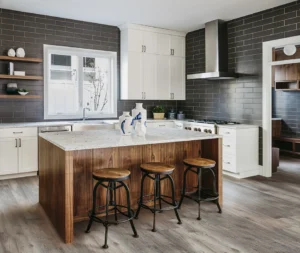
The main distinction between LVT and LVP is the format, as well as the appearance that they imitate.- Luxury Vinyl Plank (LVP): This product is presented in long plank as the name implies. It is made to resemble solid hardwood flooring. It is characterized by the textures of realistic wood grains, knots and color, starting with the deep-walnut color, to the Scandinavian oak.
- Luxury Vinyl Tile (LVT): this is available in the form of a square or a rectangle tile. They are made to look like natural stone, ceramic, concrete or marble.
Why Choose Luxury Vinyl Plank (LVP)?
Vinyl plank flooring has been the most preferred flooring by Malaysian home owners who are fond of the appearance of timber but detest the upkeep. Real wood swells, shrinks and it is prone to termites in our moisture laden environment. LVP solves this. It provides you that old-fashioned wood floor look in the most crowded rooms such as the living rooms and bedrooms. The reason why it is fitted in planks is that it enables one to visually lengthen a room, making the small spaces appear bigger. Best For:- Living rooms and bedrooms.
- Homeowners seeking a warm, rustic, or modern farmhouse vibe.
- Anyone tired of polishing parquet floors.
Why Choose Luxury Vinyl Tile (LVT)?
LVT is the luxury of stone or ceramic tiles and has the added comfort. Standing on real ceramic or marble for long periods can be hard on your joints and feels cold to the touch. LVT provides that same high-end “marble look” or “industrial concrete look” but is softer and warmer underfoot. It is much easier to substitute as well. When any actual ceramic tile cracks, it is an ugly nightmare to repair, and a dusty one at that. An LVT tile can be frequently individually removed and replaced in case it is defective. Best For:- Kitchens and bathrooms (mimicking slate or granite).
- Modern, industrial-style offices.
- Entryways and wet kitchens.
Creating a Seamless Flow: Indoor vs. Outdoor
The most prominent trend in the new architectural style of Malaysia is the Indoor-Outdoor Flow, which is the idea of having a unified look that runs between your living room and your balcony or porch. Although vinyl plank flooring is the victor in the interior durability aspect, they are not meant to be in direct contact with severe tropical rain and sun. With your outside to inside transition, you require another type of material that is in fact a match to your interior style but is an element resistant one. In this regard a decking plank is required. When you have installed a beautiful wood-like LVP in your living room, you can carry the same visual motif to your balcony with the help of composite wood flooring on the outside. Composite decking is high-quality, rot-resistant, mold-resistant and fading resistant, and it looks identical to the planks found indoors made of vinyl, but it is designed to withstand the weather. Being a complete flooring and decking supplier, we will tend to advise you to go with an outdoor decking color that matches your indoor vinyl to confuse the boundary between the inside and out giving your property an appearance of being much bigger.Installation and Maintenance
The pros of LVT and the LVP are the same miraculous ones in the terms of installation and maintenance:- Water Resistance: The two are ideal in the humid Malaysian weather. When they are touched by moisture they do not get swollen like cheap laminate.
- Durability: They both have a strong wear layer that prevents pet claw scratches and furniture mobility.
- Installation: The majority of current LVT and LVP have a click-lock design, which requires the materials to float over your existing sub-floor and do not require any messy glue or nailing.
Which Should You Choose?
The decision ultimately comes down to your personal design preference.- Choose LVP if you want the timeless, cozy atmosphere of wood.
- Choose LVT if you prefer the cool, chic look of stone or need a bathroom floor that isn’t slippery ceramic.